
The perils of mowing grass are many. First, it can really screw up a round of golf.
“Sorry, guys, but my front yard needs bailing. Two farmers have already put in bids for the hay.”
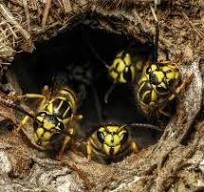
It can also play havoc with an afternoon map. Taking a little snooze while following an electric push mower is not advised in the Boy Scout Manual. Another yard mowing hazard is bees. Yellow jackets, in particular. They do not take kindly when you mow across their nests in the ground and they will sting you – not just once, but multiple times. I know all this because the swelling is still going down on my ankle after attempting to mow the front yard yesterday.
Yellow jackets are just one of many stinging insects. Honeybees are more common, but their stings create more itching than pain. Yellowjackets are in the wasp family, and pack a powerful punch. Their stings can be life threatening to those who are severely allergic.
The little bugger that nailed me yesterday stung me three times before I realized what was going on, and it hurt like the dickens. Fortunately, I am not overly allergic but after the fact, I wasn’t really sure how to treat my wounds. I went online and it said, first of all, remove the stinger. Duh! It was still lodged in my skin, and I immediately plucked it out. I applied some tea leaf medicinal oil, then ice bags to help with the swelling. I also took three IBs for the pain and an OTC antihistamine. I guess all that helped but it still hurt all day.
Upon further study – and next time I’ll know better – a paste of baking soda and water helps with the pain and swelling, as does meat tenderizer.
If you see even one yellow jacket in your yard, be suspicious. They likely have an unground burrow close by. If you find the nest, wait until almost dark when the varmints have settled in, then spray the hole with a Wasp/Hornet Killer spray.
And if you do get hit, take my advice and get the stinger out as soon as possible.
