
We often take the sense of smell for granted – until it’s gone. During the COVID era, many reported the loss of smell as the virus damaged sensitive cells withing the nose. Generally, the ability to smell returned, though sometimes it took years to recover.
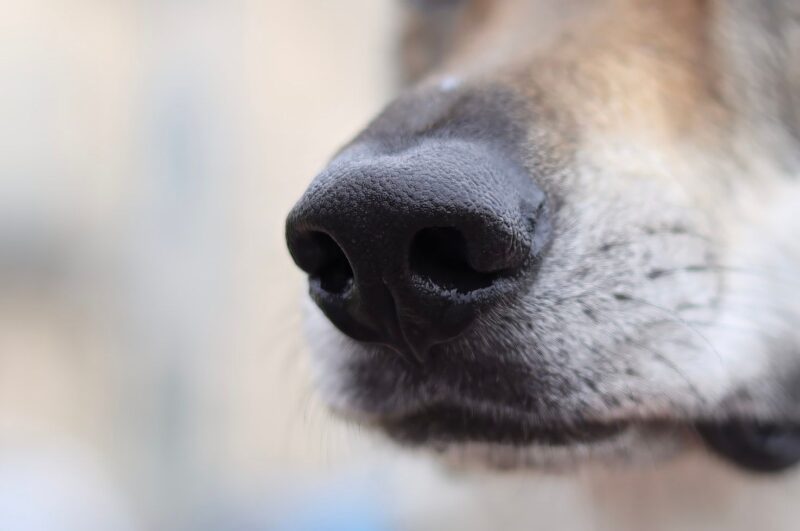
As humans, we have a pretty good sense of smell, but nothing like that of a dog. For years, I had bird dogs, mostly English Setters. My dogs had incredible noses. They could smell a covey of quail from as far away as 50 yards. Often, they would stop and flash point a single sparrow in a field and how much scent could a tiny sparrow give off?
When a rabbit scampers along a trail, a beagle can catch that scent after hours have past and follow the scent until he finally catches up with the “wascally wabbit”.
But here’s something I didn’t know. Dogs can actually smell diseases in a human – cancer and diabetes for example. It is said that dogs have up to 300 million olfactory receptors, compared to a human’s 5 or 6 million. Their olfactory bulb is also 40 times larger relative to brain size. This allows dogs to detect some odors in parts per trillion—like explosives and drugs.
Another interesting fact about the sense of smell: Human babies can recognize their mother’s scent within days of birth. Breastfed infants prefer the smell of their mother’s milk over others. This olfactory recognition helps form early attachment and may guide newborns to the breast for feeding in the first hours of life.
Wow! Even a baby’s nose knows!
